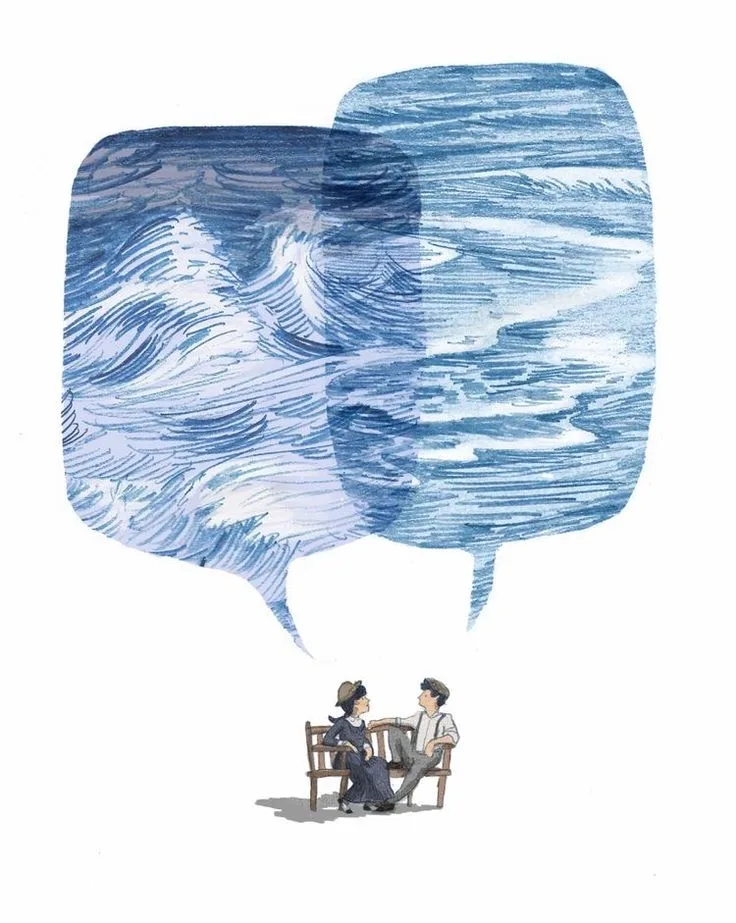
In therapy, we discuss difficult topics that may be challenging to articulate. Considering the sensitivity of the topics, an added language barrier doesn't help. In a space that aims for safety and understanding, being able to speak one’s own mother tongue or first language can often be of great assistance.
There is a lovely dialogue in the film ‘Past Lives’ - “You dream in a whole different language”. We think in languages that we don’t often communicate in, and sometimes, true understanding comes only when one understands you in your language, and not in a translation.
Some of our earliest memories often are in these languages. Languages often also bring with them different cultural understandings of our world. Our lives often function within different cultural settings. The environment within which we grew up might be different than the one we find ourselves in right now. Both of which might be governed by different cultural contexts. In order to make this collaborative process a success, often the best-suited methods might involve the incorporation of your native tongue, which also comes with a better cultural understanding.
We would never want someone to struggle with finding the right words; often, the most authentic explanation of events that adequately captures the nuances of difficult conversations happens most seamlessly in one’s native tongue. We wish we had the superpower of knowing every language in the world, but for now we only offer therapy in English, Hindi, Kannada, and Konkani.