
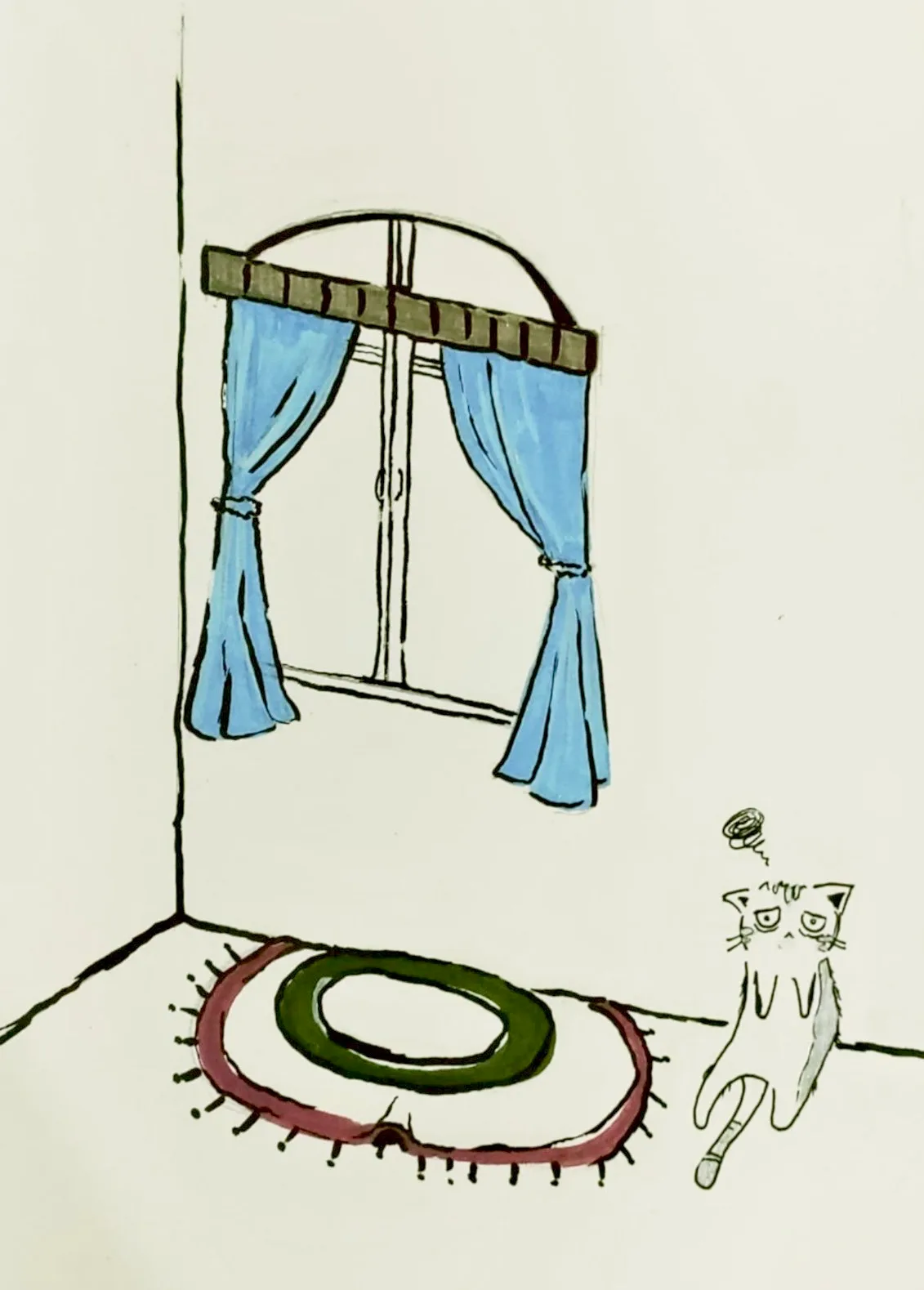
Being tired is like your phone running out of charge. You can plug yourself in by getting a little sleep, a little rest, and you’re generally back to feeling like yourself, all charged up.
But burnout is more like a phone that's been running too many apps for too long. Even with it plugged in, it has a hard time recharging. This is going to require more than a quick charge; some apps need to be closed, it needs time to reset, and there might even need to be a change in how it is being used.
So, What Is It?
We experience burnout when we are constantly exposed to stress that feels difficult to manage. It is a persistent feeling that often happens when the demands placed on us outweigh the time, energy, or resources we have available. Tiredness, on the other hand, is a normal response to physical and mental effort; it often comes in short bursts, like after a long day at work or after giving an exam.
Burnout does not look the same for everyone; some people experience physical symptoms like muscle tension, disturbed sleep, and headaches, while others might experience emotional symptoms like reduced motivation, difficulty concentrating, or feeling overwhelmed.
In therapy, we often use the ‘3 R approach ’, which stands for recognise, reverse, and resilience. By recognising, we are trying to watch out for physical and emotional symptoms that can manifest as burnout. Then, we try to reverse, by working towards reducing the symptoms by seeking social support and identifying triggers. Building resilience is also an important part of dealing with burnout long-term, in that it aids in one’s ability to tackle stress based reactions in the future.
Can I be burned out even if I like my job?
Yes, loving your job may not always protect you from burnout. Your interest and passion for something can cause less stress on a daily basis, but burnout has to do with not allowing yourself much-needed space and time to recuperate. You are more likely to push yourself harder because you actually want to do the work, or you may have high expectations of yourself. We have these small voices creeping into our heads:
How can you be tired of a job you chose?
If you love this so much, be better at it!
This can often leave you overworked, overwhelmed, and may also bring up feelings of guilt when you want to delegate responsibilities or take a break.
A trained therapist uses evidence-based methods to foster a safe space that can help you get back to feeling more like yourself. Along with structured therapy, strategic lifestyle changes, acknowledging the day-to-day factors that are contributing to stress, and practicing self-care can help alleviate symptoms.
Self-care here doesn't just mean hobbies that you enjoy, although that is also very important. It includes focusing on your basics, for example, getting a good night's sleep, eating on time, and prioritising your health by moving your body, even if it's just for a short time.
If you feel like your battery is running out, just know that here at Amise, we are always ready to help with bringing your spark back.